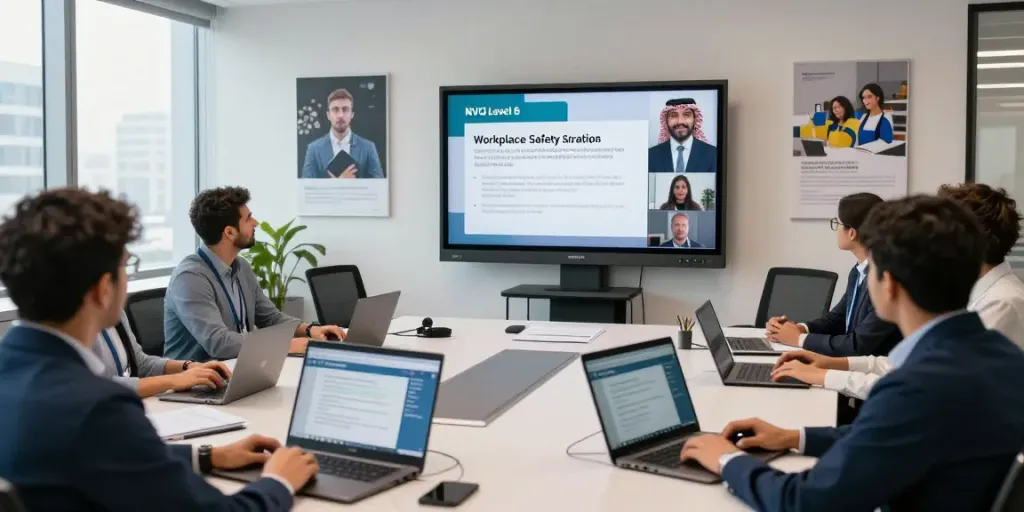
Understanding the Job Market in 2026
The landscape of job seeking is rapidly evolving, especially as we approach 2026. As the job market becomes increasingly competitive, understanding current trends, popular industries, and geographical job opportunities is essential for any job seeker. The way we search for jobs, interact with potential employers, and present ourselves in the marketplace has transformed significantly, necessitating a fresh approach to career advancement. When exploring options, หางาน provides comprehensive insights to help you navigate this dynamic terrain effectively.
Current Trends in Job Seeking
In 2026, job seekers must be aware of the latest trends that influence hiring decisions. One of the most significant trends is the emphasis on remote work opportunities. With technology facilitating virtual collaboration, many companies are now open to hiring talent from around the globe, leading to a surge in remote job postings. Additionally, digital hiring platforms have become a staple, making it easier for candidates to connect with employers.
- AI and Automation: Many companies are utilizing AI in their hiring processes, from resume screening to interview scheduling, making it essential for candidates to familiarize themselves with these technologies.
- Soft Skills in Demand: Employers increasingly prioritize soft skills such as communication, adaptability, and teamwork over technical skills, highlighting the need for candidates to showcase these attributes in their applications.
- Employer Branding: Job seekers are becoming more discerning, opting for companies that resonate with their values. As such, establishing a strong employer brand is crucial for attracting top talent.
Popular Industries for Job Seekers
Identifying industries with robust job growth is vital for job seekers. In 2026, several sectors are expected to flourish:
- Technology: With continuous advancements in AI, cybersecurity, and software development, technology remains at the forefront of job creation.
- Healthcare: The healthcare industry is experiencing unprecedented growth, driven by an aging population and the need for medical advancements.
- Green Energy: As sustainability becomes a priority, jobs in renewable energy and sustainability are on the rise, appealing to environmentally conscious candidates.
Geographical Job Opportunities
Geography plays a crucial role in job availability. In 2026, certain regions are expected to lead the job market:
- Urban Centers: Cities continue to attract opportunities, especially in technology and finance.
- Remote Work Areas: Locations traditionally known for being remote are now gaining traction, as companies offer remote positions regardless of geographical boundaries.
- Emerging Markets: Countries with developing economies are creating new job opportunities, especially in sectors like technology and infrastructure.
Essential Tools for Effective Job Searching
To successfully navigate the job market, job seekers must leverage various tools and resources effectively. The right combination of online job boards, networking platforms, and essential documentation can enhance a candidate's visibility and prospects.
Job Boards and Online Resources
Job boards are essential for uncovering opportunities. Websites such as Indeed, LinkedIn, and specialized job portals offer extensive listings across industries:
- JobThai: An excellent resource for job seekers in Thailand, featuring a range of positions from leading companies.
- Glassdoor: Provides company reviews and salary information, helping candidates make informed decisions.
- LinkedIn: Beyond being a networking site, LinkedIn offers job postings tailored to your profile and preferences.
Networking Platforms and Benefits
Networking remains a vital component of the job search process. Engaging with professionals in your industry can open doors to hidden opportunities:
- Industry Events: Attend conferences, seminars, and webinars to meet potential employers and peers.
- Social Media: Utilize platforms like LinkedIn to connect with industry professionals and join relevant groups.
- Informational Interviews: Request informal chats with individuals in your desired field to gain insights and possibly referrals.
Resume and Portfolio Essentials
Your resume and portfolio serve as your first impression. Ensure they are polished and tailored to each application:
- Quantifiable Achievements: Focus on results rather than duties, showcasing your contributions effectively.
- Visual Portfolio: For creative roles, a visually appealing portfolio can set you apart from other candidates.
- Keywords: Use industry-specific keywords to pass applicant tracking systems (ATS) that many companies utilize.
Best Practices for Job Applications
Applying for jobs requires careful attention to detail and strategy. Implement these best practices to increase your chances of landing interviews.
Crafting Tailored Resumes
Each job application should include a tailored resume that reflects the job description. Highlight relevant experiences and skills that match the position's requirements. Remember to keep your resume concise, ideally one page unless you have extensive experience. Use bullet points for clarity and focus on achievements that demonstrate your ability to contribute to the company.
Writing Compelling Cover Letters
A cover letter is an opportunity to convey your enthusiasm for the role and your fit for the company. Personalize each letter by addressing the hiring manager by name and referencing specific details about the company and position. Share a brief narrative of your professional journey that aligns with the job's requirements, and conclude with a strong call to action inviting them to contact you for an interview.
Leveraging Personal Branding
Your personal brand is how you present yourself to potential employers. Establish a professional online presence by maintaining an updated LinkedIn profile, showcasing your expertise through articles or posts, and engaging in relevant discussions within your industry. This not only positions you as a knowledgeable candidate but also attracts opportunities aligned with your career goals.
Preparing for Interviews
Effective interview preparation can be the difference between securing a job offer and receiving a rejection. The following strategies can enhance your interview performance.
Common Interview Questions and Answers
Familiarize yourself with common interview questions and practice your responses:
- Tell me about yourself: Prepare a concise summary of your professional background and why you're interested in the role.
- What are your greatest strengths and weaknesses? Be honest but frame your weaknesses as areas for improvement, demonstrating your commitment to growth.
- Why do you want to work here? Research the company to understand its culture, mission, and recent developments, and articulate how these resonate with your career aspirations.
Techniques for Successful Presentations
In roles that require presentations or public speaking, it's essential to practice your communication skills. Techniques like rehearsing in front of a mirror, recording yourself, and seeking feedback can help build confidence and polish your delivery. Remember to engage your audience effectively, using visual aids and storytelling to make your points memorable.
Post-Interview Follow-Up Strategies
After an interview, sending a thank-you email to your interviewers can reinforce your interest in the position. Express gratitude for the opportunity, summarize key points discussed during the interview, and reiterate your interest in contributing to the company. This small gesture can leave a lasting impression and keep you top of mind during the decision-making process.
Future of Work: Preparing for Emerging Trends
As we look ahead to 2026, the workplace continues to evolve rapidly. Understanding and preparing for emerging trends will be essential for job seekers.
Adapting to Remote and Hybrid Work Models
Remote and hybrid working models are likely to persist, requiring employees to develop skills for collaboration and communication in virtual environments. Familiarizing yourself with cloud-based tools and project management software can enhance your remote working capabilities and efficiency.
Upskilling for Future Job Roles
The job market is increasingly competitive and requires individuals to upskill continuously. Online courses, certifications, and workshops in your area of expertise can bolster your resume and keep your skills relevant. Stay informed about industry developments and emerging technologies to maintain a competitive edge.
Understanding Employer Expectations in 2026
Employers are seeking candidates who can adapt quickly and think critically. Demonstrating a growth mindset and a willingness to learn will be vital in making a favorable impression. Furthermore, showcasing your ability to work collaboratively and contribute positively to a company's culture aligns with the traits that employers prioritize in today's workforce.
What is the best way to find a job in today's market?
Utilizing a combination of job boards, networking, and personal branding will provide the most comprehensive approach to job searching in today's competitive market.
How can I improve my resume for job applications?
Focus on tailoring your resume for each job application, emphasizing relevant experiences and quantifiable achievements to stand out to employers.
What roles are in high demand for recent graduates?
Fields such as technology, healthcare, and green energy are currently experiencing high demand for fresh talent, making them prime targets for recent graduates.
How do I prepare for a virtual interview?
Ensure you have a quiet, well-lit space for the interview, test your technology beforehand, and practice answering common interview questions to build confidence.
What are the top job search platforms to use in 2026?
Top job search platforms include Indeed, LinkedIn, and specialized sites like JobThai that cater specifically to local job markets.