Understanding the Role of Local Artisans in the Community
As society evolves, the role of local artisans becomes increasingly significant, offering not just products but stories that strengthen community ties. Artisans bring unique skills and cultural heritage, transforming raw materials into cherished handmade goods. These creations contribute to a richer community identity and preserve traditional crafts that may otherwise fade into obscurity. Understanding the nuances of local artisan culture reveals how deeply intertwined these makers are with their communities. For individuals looking to delve into this artisan landscape, resources like rokok88 can provide comprehensive insights.
What Does Rokok88 Represent in Artisan Culture?
Rokok88 embodies the spirit of local craftsmanship, reflecting a commitment to quality over mass production. This brand represents artisanship that prioritizes authentic materials and techniques, inviting consumers to connect with the creators behind the products. By promoting traditional crafts and localized production, Rokok88 serves as a platform to elevate the voices of artisans, allowing them to share their stories and skills. The emphasis on cultural representation is not merely about selling products; it’s about fostering a community that encourages appreciation for local artistry.
How Local Artisans Enhance Community Identity
Local artisans are pivotal in shaping community identity through their unique contributions. Each crafted item carries a narrative intertwined with local traditions, values, and history. For instance, a potter in a small town may create items that showcase local materials and motifs illustrative of the area's heritage. As residents and visitors engage with these products, they gain a deeper connection to the community's cultural legacy. Artisan markets and festivals often serve as platforms for these interactions, helping to build pride and solidarity among community members.
Challenges Faced by Local Makers Today
Despite their importance, local artisans face numerous challenges in today’s market. Globalization poses a significant threat as mass-produced goods flood the market, often at lower prices. Additionally, artisans may struggle with access to resources, both financial and material. Marketing their goods effectively in a competitive landscape can also be daunting. The shift towards digital platforms presents both opportunities and challenges, as artisans must learn to navigate online sales, social media, and e-commerce to reach a broader audience.
Benefits of Supporting Rokok88 Artisans
Supporting Rokok88 artisans yields multiple benefits that extend beyond mere consumerism. Engaging with local makers enriches both the buyers and the community at large, creating a symbiotic relationship that fosters economic growth, social cohesion, and cultural sustainability.
Economic Impact on Local Businesses
When consumers choose to buy from local artisans, they directly contribute to the economic vitality of their communities. Money spent within the local economy tends to circulate more, creating jobs and supporting other local businesses. This economic framework enhances community resilience, as local artisans pay taxes that support public services, schools, and infrastructure. Furthermore, successful local businesses can attract tourism, drawing visitors eager to experience the uniqueness artisans offer.
Personal Connections Through Handcrafted Goods
One of the most significant benefits of supporting artisans is the personal connections formed through handcrafted goods. Unlike mass-produced items, each piece created by an artisan carries a personal touch and uniqueness that resonates with consumers. This connection often transforms the way people view and value their purchases, leading to increased customer loyalty and satisfaction. Engaging directly with artisans at fairs or markets allows for stories to be shared, fostering a deeper appreciation for the craft and the individual behind it.
How Supporting Local Fuels Sustainable Practices
Supporting local artisans inherently promotes sustainable practices. Many artisans employ eco-friendly materials and methods, demonstrating a commitment to environmental stewardship. By prioritizing local sourcing over imported goods, artisans reduce carbon footprints and foster sustainable resource management. Consumers who support these practices contribute to a more sustainable economy that values preservation over depletion, promoting a healthier planet for future generations.
Key Trends in the Artisan Market for 2026
The artisan market is evolving rapidly, influenced by changes in consumer behavior, technology, and socio-economic factors. Understanding these trends will be crucial for artisans and consumers alike as we look toward 2026.
Emerging Crafts and Styles to Watch
As trends shift, new crafts and styles continually emerge within the artisan community. For instance, upcycled and recycled materials are becoming increasingly popular, as artisans find innovative ways to repurpose discarded items into beautiful creations. Additionally, there is a growing interest in artisanal food and beverage products, with consumers seeking authenticity in their culinary experiences. Craftsmanship that reflects diverse cultural heritages is also gaining traction, allowing artisans to showcase their unique backgrounds.
The Rise of Digital Platforms for Local Artisans
Digital platforms are transforming how artisans market and sell their products. E-commerce websites, social media, and community apps provide artisans with unprecedented access to larger audiences. Local artisans are leveraging platforms to showcase their work, share their stories, and connect with consumers globally. This digital shift allows for real-time feedback and collaboration, fostering a vibrant community of makers who can learn from one another while reaching consumers outside their immediate geography.
Impact of Global Events on Local Production
Global events, such as economic downturns or pandemics, have a profound impact on local artisan production. The COVID-19 pandemic highlighted the vulnerabilities of global supply chains and increased consumer interest in supporting local economies. As people become more conscious of where their products come from, local artisans may benefit from a renewed interest in handmade, locally produced goods. However, fluctuating materials costs and shifts in consumer behavior necessitate adaptability and resilience within the artisan community.
How to Find and Support Local Artisans
Finding and supporting local artisans is easier than ever, thanks to a growing number of resources and platforms dedicated to promoting handmade goods. Engaging with these artisans not only enhances your shopping experience but also strengthens local economies.
Top Websites and Platforms for Discovering Rokok88 Artisans
Several websites and platforms are dedicated to connecting consumers with local artisans. Websites like Etsy and local craft fairs often feature categories specifically for artisans, making it simpler to discover unique products. Additionally, social media platforms like Instagram provide artisans with a space to showcase their creations and engage with customers directly. Online directories that focus on local businesses can also lead you to hidden gems in your community.
Participating in Local Artisan Markets and Events
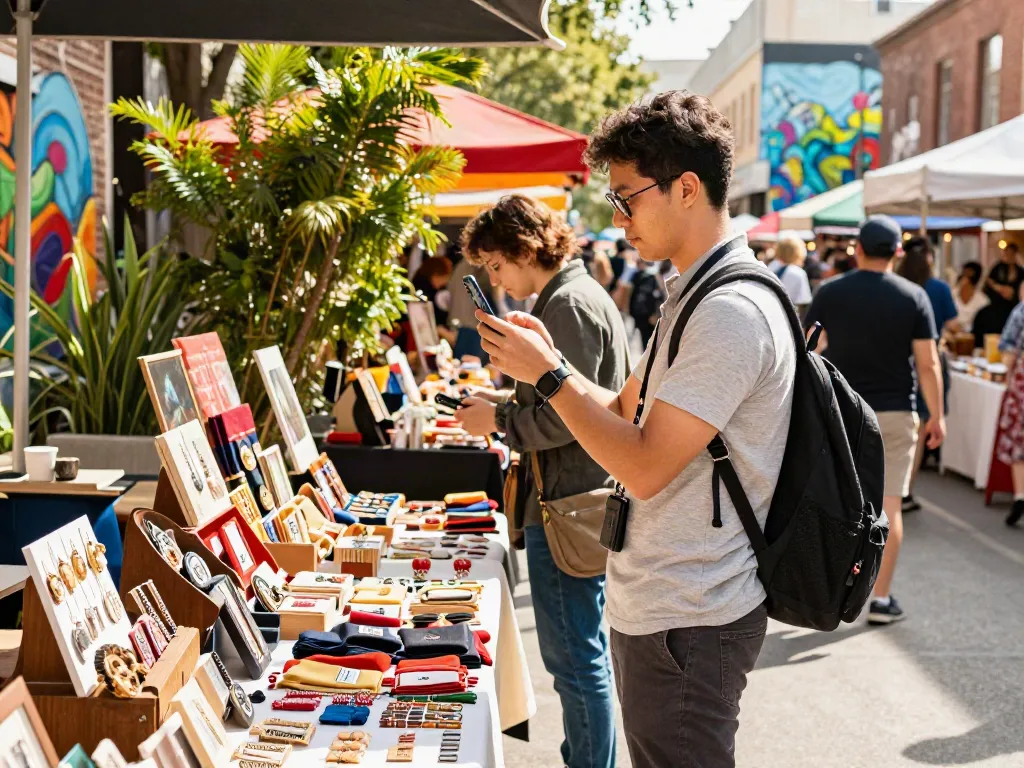
Local artisan markets and events provide a vibrant atmosphere for connecting with makers directly. These gatherings often feature a wide range of products, from handmade crafts to artisanal foods, allowing consumers to explore different styles and techniques. Participating in these events fosters community spirit, encourages networking between artisans, and provides a platform for sharing knowledge and techniques. Attending local markets also allows you to create personal connections with artisans, deepening your understanding of their craft.
Creating a Community Around Local Craftsmanship
Building a community around local craftsmanship involves actively engaging with artisans and supporting their work. This can include hosting workshops, starting buy-local initiatives, or collaborating with local artisans to create exclusive products. By fostering a culture that values handmade goods, communities can leverage local artisans' talents and help ensure their continued success in a competitive market.
Future of Local Artisans: Predictions for the Next Decade
Looking ahead to the next decade, several trends and predictions will shape the future of local artisans. Understanding these shifts can help both consumers and makers navigate the evolving landscape.
Emerging Technologies for Artisans
Emerging technologies will play a crucial role in the future of local artisans. Developments in 3D printing, augmented reality, and even blockchain can offer artisans new ways to produce and sell their goods. These technologies can enhance creativity while simplifying processes, enabling artisans to reach wider audiences while retaining the integrity of their craftsmanship.
The Shift Towards Eco-Friendly Practices
The demand for sustainable products continues to rise, influencing artisan practices significantly. Buyers are increasingly seeking products that reflect eco-conscious values, prompting artisans to adopt greener materials and production methods. As a result, the artisan market may evolve to prioritize sustainable craftsmanship as a core value, further enhancing the community's alignment with environmental stewardship.
How Globalization May Influence Local Markets
Globalization presents both challenges and opportunities for local artisans. While competition from international markets can be a threat, it also allows for the exchange of ideas and techniques, fostering innovation within local practices. Artisans must navigate this landscape, balancing the need for authenticity with the pressures of broader market trends.
What are the Next Steps for Supporting Local Artisans?
To support local artisans moving forward, consumers can take proactive steps to engage with and promote artisan businesses. This can include advocating for local policy changes that favor artisanal production, sharing artisan products on social media, or simply making conscious choices to buy local. By prioritizing artisan goods, individuals can play a significant role in sustaining community identity and preserving the rich tapestry of local craftsmanship.